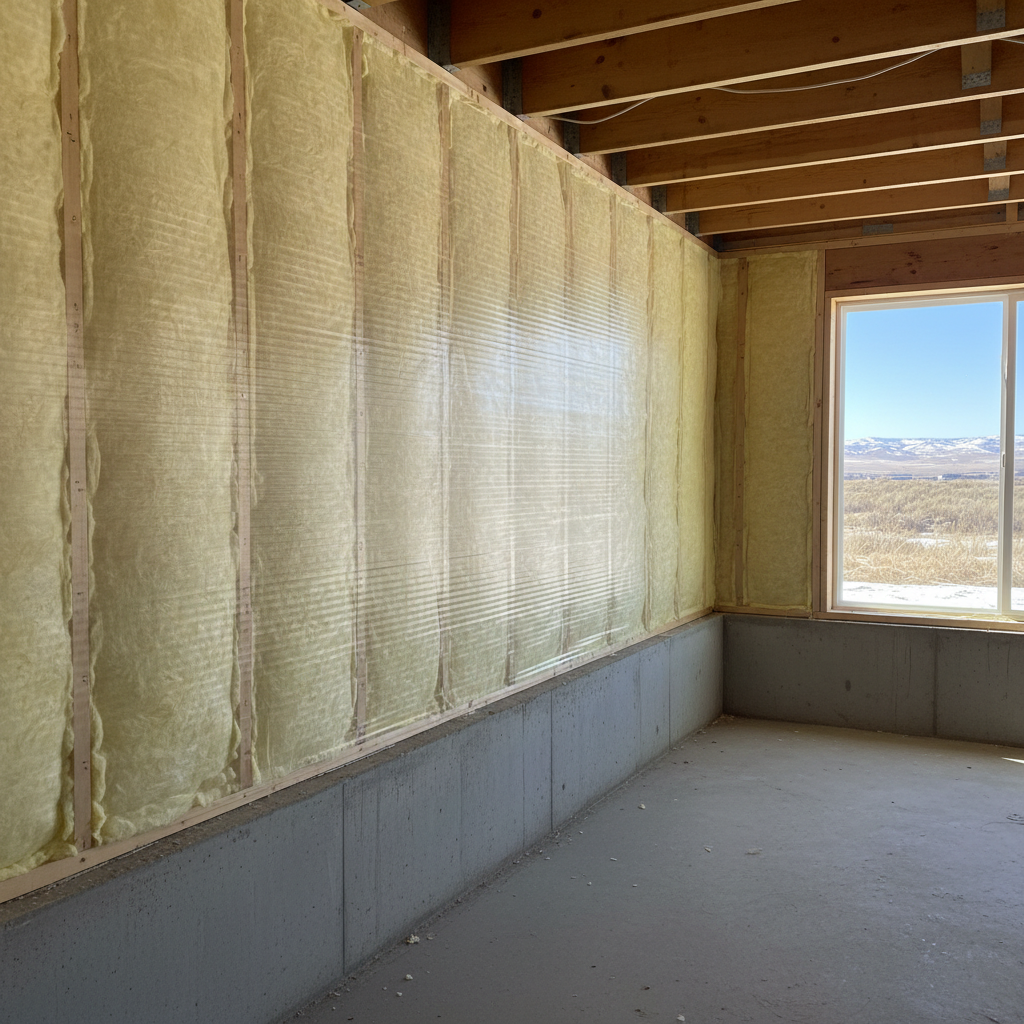
Alright, let's talk basements. Here in Meridian, a lot of homes – especially those newer builds out in places like Paramount or Bridgetower – have unfinished basements just begging to be turned into something useful. Or maybe you've got an older place, and that basement's just a cold, damp cave. Either way, you're probably thinking about insulation, and that's smart. But I've seen a lot of folks make some pretty basic, and frankly, expensive mistakes when they're tackling this kind of project. Let me walk you through what to watch out for.
Ignoring Moisture Issues First
This is probably the biggest, most common blunder I see. You can't just slap insulation over a moisture problem and expect it to go away. It won't. It'll just hide it, make it worse, and eventually ruin your insulation, your drywall, and maybe even your health with mold. Before you even think about insulation, you need to make sure your basement is dry. Are there cracks in the foundation? Is water pooling around your foundation outside? Are your gutters clean and directing water away from the house? Is there any efflorescence on the walls? You've got to fix these things first. If you don't, you're just throwing money away on insulation that's going to fail, plain and simple.
Choosing the Wrong Type of Insulation for Basements
Basements are different from attics or walls above ground. They're below grade, they're exposed to the earth, and that means different moisture dynamics and temperature swings. I've seen folks try to use standard fiberglass batts directly against concrete walls without a proper vapor barrier. That's a recipe for disaster. Fiberglass can absorb moisture, lose its R-value, and become a breeding ground for mold. For basements, you really want something that can handle moisture, like rigid foam boards or, even better, closed-cell spray foam. Closed-cell spray foam acts as an air barrier, a vapor barrier, and an insulator all in one. It's tough, it doesn't absorb water, and it gives you a fantastic R-value per inch. Honestly, it's a no-brainer for basements.
Not Insulating the Rim Joists
This is a small area that makes a huge difference, and it's often overlooked. The rim joist is that band of wood around the perimeter of your house, right above the foundation wall, where your floor joists sit. It's a major source of air leakage and heat loss in a basement. If you're insulating your basement walls but skipping the rim joists, you're leaving a big hole in your thermal envelope. Insulating these areas properly, typically with spray foam, can dramatically improve your basement's comfort and energy efficiency. Don't forget 'em.
DIYing Without Understanding the Risks
Look, I'm all for a good DIY project. But basement insulation, especially with certain materials, isn't always a weekend warrior job. Applying spray foam, for example, requires specialized equipment, proper safety gear, and a good understanding of how the chemicals react. If you don't apply it correctly, you can end up with off-ratio foam, which won't perform as it should and can even off-gas. And if you're working with rigid foam, you need to make sure you're sealing all the seams and edges perfectly to prevent air leakage. Cutting corners here means you won't get the performance you paid for. Sometimes, it's just smarter to call in the pros, you know?
Hiring the Cheapest Bid Without Vetting
This is a classic. You get three bids, and you automatically go with the lowest one. I get it, everyone wants to save a buck. But in this business, the cheapest bid often means corners are being cut. Maybe they're using inferior materials, maybe they're not properly trained, or maybe they're not even licensed and insured. Meridian has its fair share of contractors, and not all of them are created equal. Ask for references, check their reviews, and make sure they understand the unique challenges of basement insulation. A good contractor will explain their process, the materials they're using, and why. They won't just give you a number and disappear. When you work with someone like Spray Foam Pros of Meridian, you're getting folks who know what they're doing and stand by their work.
Forgetting About Code Requirements
Building codes exist for a reason – safety and proper construction. In Meridian, like everywhere else, there are specific requirements for insulation, especially in finished basements. This includes things like R-value minimums, fire ratings for certain insulation types, and proper ventilation. If you're finishing your basement, you'll likely need permits and inspections. Don't skip these steps. Not only can it cause problems down the road if you ever sell your house, but more importantly, it ensures your project is safe and up to snuff. A reputable contractor will be familiar with all the local codes and make sure your project complies.
Insulating your basement is a great investment in your home's comfort and energy efficiency. Just make sure you're doing it right. Address moisture, pick the right materials, don't miss the rim joists, and if you're not confident, bring in the experts. You'll be glad you did.