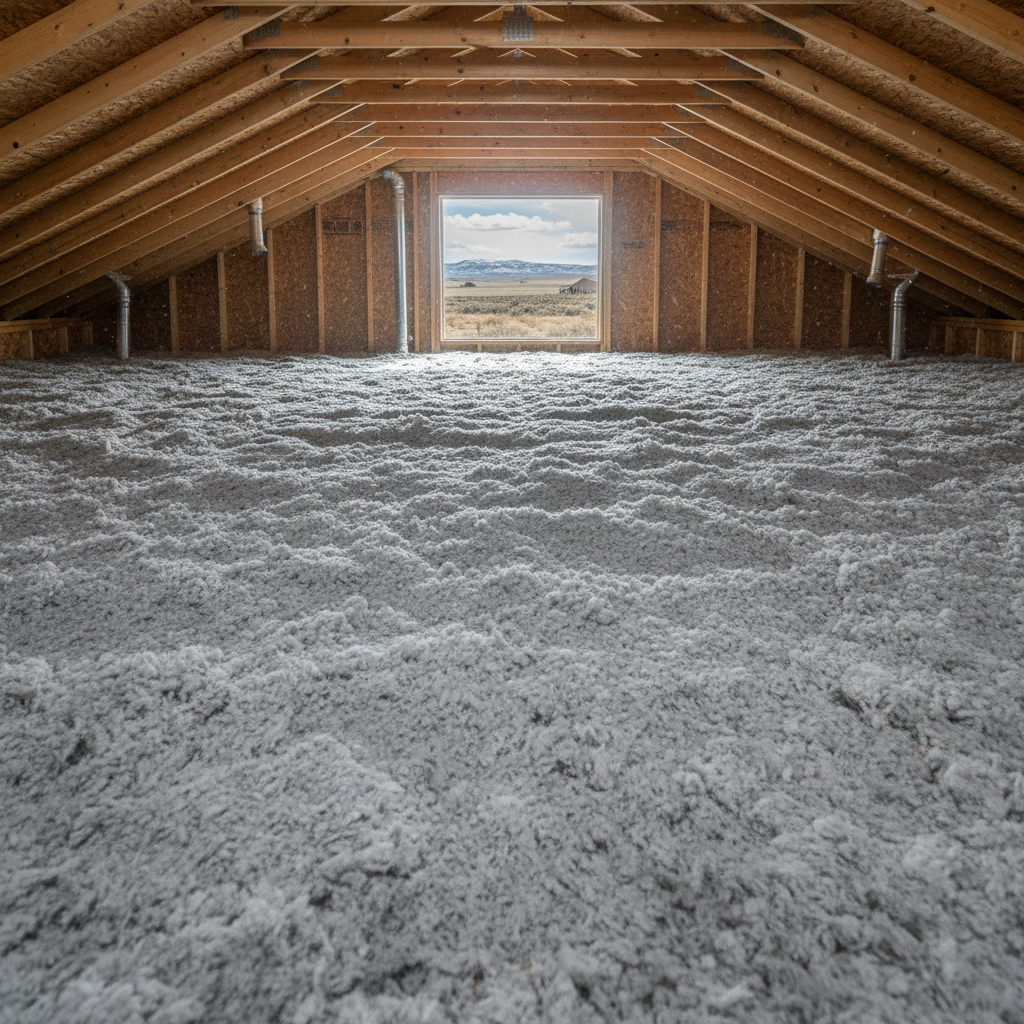
Your Blown-In Insulation: A Long-Term Investment
So, you've got blown-in insulation in your attic or walls. Maybe we at Spray Foam Pros of Meridian even put it in for you. That was a smart move for energy efficiency here in Meridian, especially with our scorching summers and those cold, damp winters. But just like anything else around the house, it's not really a "set it and forget it" kind of deal forever. A little bit of attention, you know, goes a long way in making sure that insulation keeps doing its job for decades.
Extending the Life of Your Blown-In Insulation
The main thing here is to keep your insulation dry, undisturbed, and free from pests. Sounds simple enough, but it's super important. Blown-in materials, whether it's cellulose or fiberglass, work by trapping air. If that air gets pushed out or the material gets squished, its R-value drops. And then? You start losing money on your energy bills.
- Keep it Dry: This is probably the biggest one, honestly. Water is insulation's worst enemy. If your roof leaks, even just a small drip, it's going to soak into your insulation, pack it down, and create a perfect spot for mold to grow. You'll want to fix any roof leaks right away. After a heavy rain or snowmelt, check your attic, especially if you live in an older home in places like the North End where roofs might be getting on in years.
- Mind Your Vents: Make sure nothing's blocking your attic's soffit vents. Good airflow is key to stopping moisture from building up and keeping your attic cooler in the summer, which protects your insulation. Don't let insulation get pushed right up against those vents.
- Stay Out of the Attic (Mostly): I get it, sometimes you just have to go up there. But every time you step on or move blown-in insulation, you're compressing it. If you need to store stuff, build a raised platform that sits above the insulation level. And if you're doing work, lay down some plywood sheets to spread out your weight.
- Pest Control: Rodents just love a warm, cozy attic. They'll tunnel through insulation, nest in it, and generally make a huge mess that really messes with how well it works. Seal up any entry points into your attic – those gaps around pipes, vents, or eaves.
What Regular Maintenance Looks Like
Honestly,