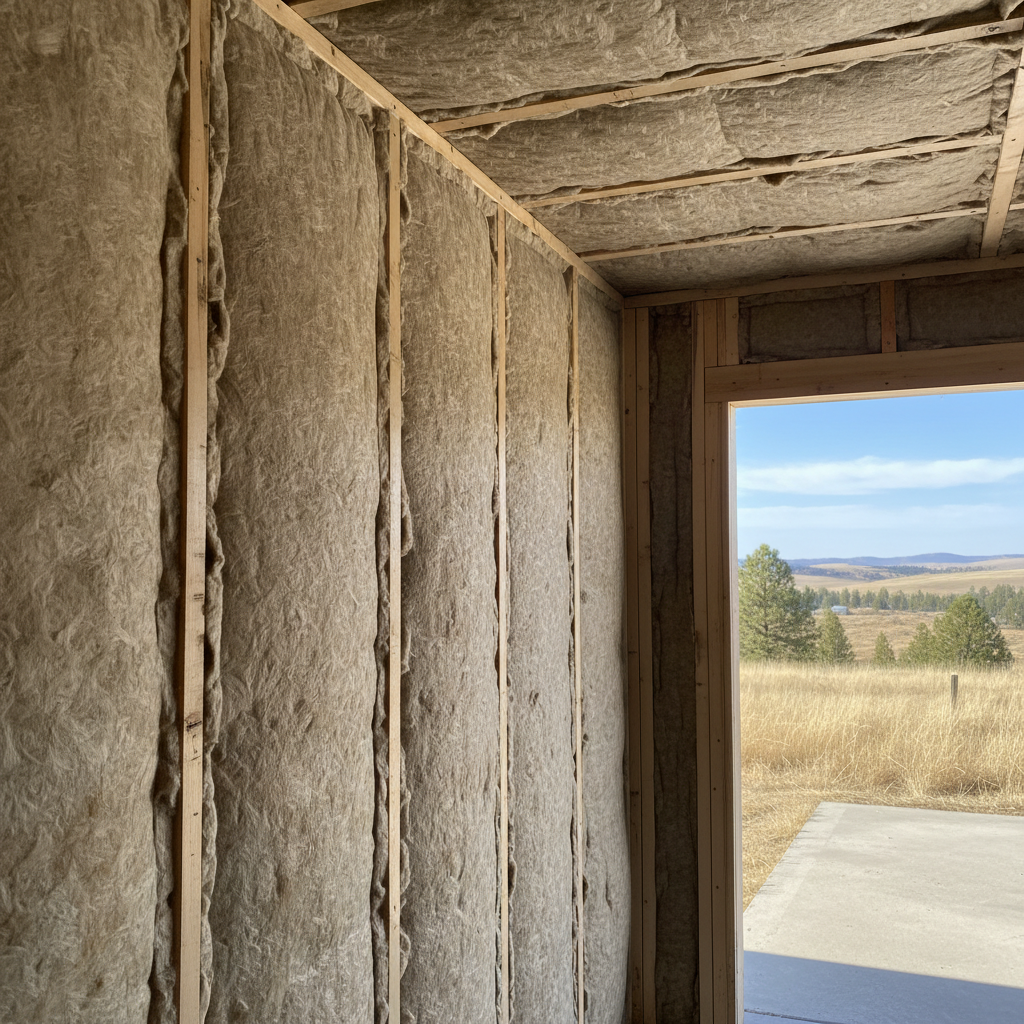
Your garage isn't just a place to park your car, is it? For a lot of folks here in Meridian, it's a workshop, a gym, a storage spot, or even an extra playroom. But if it's not insulated, it's probably freezing in the winter and boiling in the summer. That's not just uncomfortable; it can really bump up your energy bills, especially if you share a wall with your house or if you're trying to heat or cool that space.
Before You Start: Planning Your Garage Insulation Project
First off, you've got to figure out what you're actually trying to do. Are you just aiming to keep the chill out of your main living space, or do you want a fully conditioned workshop out there? This decision changes everything, from the kind of insulation you'll use to how much it'll cost and how complicated the job will be.
- Check Your Walls and Ceiling: Most attached garages in older Meridian neighborhoods, especially those built in the 70s or 80s, often have walls that aren't insulated at all, or maybe just a thin, useless layer of something. Look for exposed studs. If you see them, bingo! You've got a great opportunity.
- Consider the Garage Door: This thing is a massive heat sink or source. Seriously, an insulated garage door makes a huge difference. You can buy insulation kits for doors you already have, or if you're replacing the door anyway, definitely get an insulated one. Adding panels to an existing door is usually a pretty straightforward DIY job, by the way.
- Air Sealing is Key: Before you even think about insulation, you absolutely need to seal up any gaps and cracks. I'm talking around windows, doors, and any spots where pipes or wires poke through. Grab a tube of caulk and some expanding foam. This is 100% a DIY task and one of the cheapest, most effective things you can do. Don't you dare skip it!
What You Can DIY: Tackling the Basics
For the average homeowner, there are definitely parts of garage insulation you can handle yourself. It's not rocket science, but it does require a bit of effort.
- Garage Door Insulation Kits: Like I mentioned, these are usually foam panels cut to fit your door sections. They come with adhesive or clips. Follow the instructions, and you'll be done in an afternoon. Easy peasy.
- Batt Insulation in Walls (Unfinished): If your garage walls have open studs, meaning no drywall yet, installing fiberglass or mineral wool batts isn't too tough. You'll need a utility knife, a straight edge, and a tape measure. Wear long sleeves, gloves, and a good mask – that stuff can be itchy. Make sure you cut it to fit snugly without squishing it too much. Compression actually lowers its R-value, you know. This is a good DIY project for someone comfortable with basic home improvement tasks.
- Caulking and Weatherstripping: This is entirely DIY. Seal around all windows and doors, and replace any old, worn-out weatherstripping on the garage door itself. You'd be surprised how much air sneaks through these spots.
When to Call Spray Foam Pros of Meridian: The Expert Touch
Now, there are some jobs where calling in a pro like us just makes sense. You'll save time, avoid potential headaches, and get a much better, more durable result.
- Closed-Cell Spray Foam: If you want the absolute best performance, especially for a space you plan to heat or cool regularly, closed-cell spray foam is the way to go. It offers a higher R-value per inch, creates an air and vapor barrier, and even adds structural rigidity. But it's not a DIY product. It requires specialized equipment, training, and safety gear. Trying to do this yourself is a recipe for a huge mess and poor performance, believe me.
- Insulating Finished Walls or Ceilings: If your garage already has drywall up, and you don't want to tear it all down, blown-in insulation is an option. While some big box stores rent machines, getting even coverage and avoiding empty spots can be tricky. Plus, you'll need to drill holes, fill them, and then patch and paint. For a clean, efficient job, a professional is usually better.
- Ceiling Insulation (Especially if there's a room above): If you have a bonus room or bedroom above your garage, insulating that ceiling properly is crucial for comfort in the room upstairs. This often means working in tight spaces and making sure air sealing and vapor barriers are done right, which can get complicated fast.
- Dealing with Moisture Issues: Meridian's climate can swing, and sometimes we get a lot of moisture. If you've got any signs of water intrusion or dampness, that needs to be addressed BEFORE any insulation goes in. A pro can help identify and fix these issues correctly.
After the Insulation: What's Next?
Once your insulation is in, you'll feel the difference immediately. But don't stop there.
- Monitor Temperature: Use a simple thermometer to see how much more stable the temperature is.
- Consider Heating/Cooling: If you've gone all out, you might want to add a small ductless mini-split system to truly condition the space.
- Keep it Clean: Just like any other part of your home, keep an eye on your garage for any new drafts or issues.
Insulating your garage is a smart investment, whether you do some of it yourself or bring in the experts. It makes your home more comfortable, saves energy, and often increases your property value. If you're thinking about spray foam or need advice on the trickier parts of the job, don't hesitate to give Spray Foam Pros of Meridian a call. We're happy to talk through your options and help you make the best decision for your home.