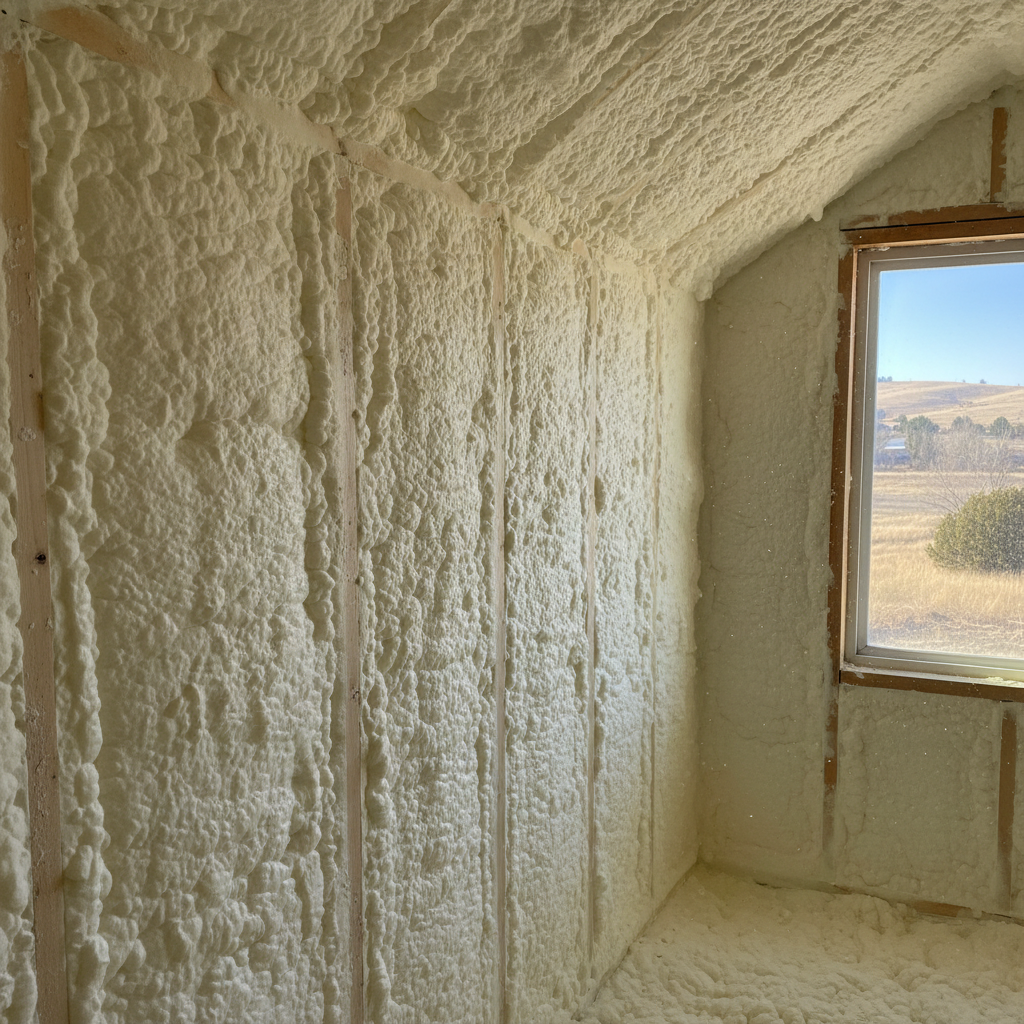
You've put open-cell spray foam in your home, and that's a smart move, especially here in Meridian. It really shines at sealing air leaks and boosting thermal performance, which is super helpful with our scorching summers and chilly winters. But think about it: you wouldn't buy a new truck and then just forget about oil changes, right? Same goes for spray foam. A little bit of care goes a long way to make sure it keeps working its best for decades to come.
How to Make Your Open-Cell Spray Foam Last Longer
Good news first: open-cell spray foam is pretty tough stuff. It won't rot, sag, or settle like some other insulation types. The biggest thing you can do to extend its life is to keep it safe from anything it wasn't built to handle. Basically, that means keeping it dry and leaving it alone.
- Moisture is the Enemy: This is probably the most important point. Open-cell foam can soak up water. If it gets saturated and stays wet, it'll lose its insulating power and could even cause other problems. So, check your roof, make sure your plumbing isn't dripping, and ensure your attic or crawl space ventilation is doing its job. We don't get a ton of rain here in Meridian, but a leaky roof during a spring storm or a pipe drip you didn't notice can still create a real mess.
- Don't Damage It: While it's quite resilient, open-cell foam isn't meant for walking on or constant bumping. If you're up in the attic for any reason – maybe running new wiring or just checking something out – be careful not to tear or squish the foam. If you absolutely need to store things in an attic with exposed spray foam, make sure you've got proper decking installed over the joists, not directly on the foam itself.
- Keep it Covered (if it needs to be): Depending on where your foam is installed, it might need a thermal barrier or an ignition barrier. This is a fire safety requirement, usually a special coating or a layer of drywall. Whatever you do, don't remove these barriers! They're there for a good reason and are part of keeping your foam safe and up to code for the long haul.
Regular Maintenance: What You Should Actually Do
Honestly, 'regular maintenance' for open-cell spray foam isn't some huge chore. It's mostly about taking a look. I tell my customers it's kind of like checking your tires – a quick glance can tell you a lot.
- Annual Visual Inspection: Once a year, ideally in the spring or fall when the attic isn't boiling hot or freezing cold, take a peek. Look for any obvious signs of damage. Do you see any areas that look squished, torn, or discolored?
- Check for Water Stains: This is super important. Look for any signs of water on the foam itself, or on the wood framing nearby. Water stains are a huge red flag. Even if the foam looks okay, if the wood around it is stained, you've got a leak somewhere that needs fixing.
- Pest Patrol: Spray foam isn't food for pests, but mice, rats, and even insects can sometimes tunnel through it to get to other parts of your house. Check for small holes or disturbed spots. If you see signs of pests, you'll want to deal with the critters first, then patch up the foam.
- Ventilation Check: For attics and crawl spaces, make sure your ventilation isn't blocked. Good airflow helps stop moisture from building up, which, as I mentioned, is the foam's biggest enemy.
Warning Signs of a Problem
If you notice any of these things, don't just ignore them. Your spray foam might be trying to tell you something important:
- Damp or Musty Smell: This is a big one, a real giveaway. If you smell anything damp, moldy, or musty, especially in an attic or crawl space, it almost always points to a moisture problem.
- Visible Water Stains or Mold: On the foam, on the ceiling below the attic, or on walls near exterior insulation – any of these mean you've got a leak.
- Sagging or Compressed Foam: Open-cell foam is flexible, sure, but it shouldn't be sagging a lot or look like it's been crushed. This could mean it's soaked with water or has physical damage.
- Increased Energy Bills: If your energy bills suddenly spike without a clear reason, and you've got spray foam, it could be a sign that its performance isn't what it should be.
- Pest Activity: Seeing more mice or insects than usual? They might be finding new ways into your house through damaged insulation.
When to Call a Professional
Look, you're a homeowner, not an insulation expert. That's exactly why folks like us are here. Don't hesitate to call us at Spray Foam Pros of Meridian if:
- You find significant water damage or suspect a persistent leak that's affecting your insulation.
- You've got a pest problem that's damaged a large area of foam.
- You notice big areas of sagging or compromised foam.
- You're just not sure about how bad the damage is or how to fix it properly.
- You're planning renovations that might impact the foam and want to make sure it's done right.
Minor repairs, like patching a small tear, can sometimes be a DIY job if you're comfortable with it. But for anything that looks like a bigger issue, or if you're just not sure, getting a professional opinion is always the best bet. We've seen it all, from leaky roofs in older homes in the Northwest Meridian neighborhood to issues caused by improper attic ventilation. We can figure out the problem and get your insulation back to doing its job, keeping your home comfortable and your energy bills in check.