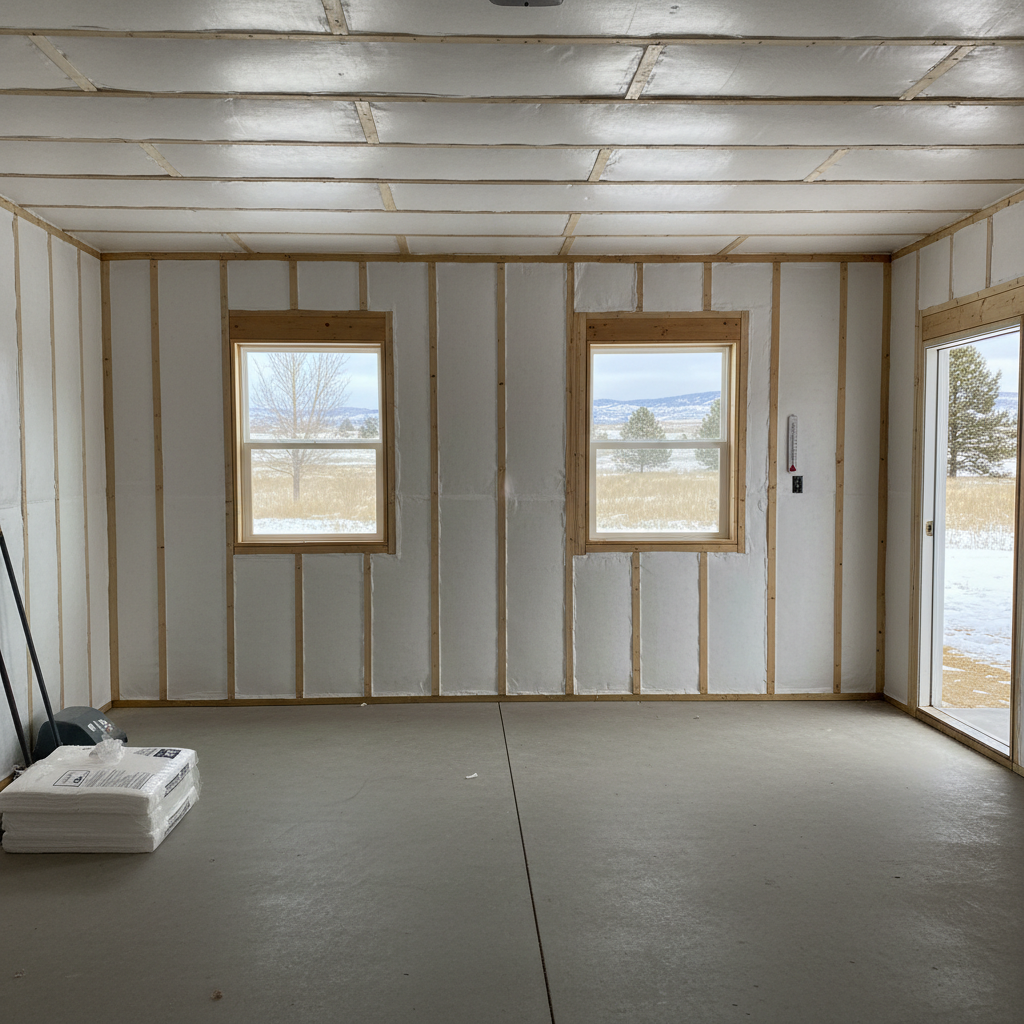
When's the best time to insulate your garage here in Meridian? That's a question I get asked a lot, and honestly, there's more to it than just picking a random weekend. Our Idaho weather, especially the wild swings we see, really affects how well your insulation project goes and how long it lasts.
Why Garage Insulation Matters (It's More Than Just Being Comfy)
Look, I know plenty of folks think their garage is just for parking the car or stashing junk. But for a lot of us, it's a workshop, maybe a home gym, a spot for laundry overflow, or even a cozy place for the pets. Leaving it uninsulated, or doing a crummy job of it, isn't just uncomfortable; it's actually costing you money and could be damaging what you keep inside.
Just think about it: that uninsulated garage door is a giant hole letting heat escape or come in. In the summer, it's letting all that scorching 90-degree heat from July and August bake your house. Come winter, it turns into a freezer, sucking warmth right out of any walls it shares with your home. What does that mean? Your HVAC system works overtime trying to keep the rest of your house comfortable, and your power bills just keep climbing. Plus, those wild temperature swings can be really hard on stored items like paint, electronics, or even that classic car you're always tinkering with. It's a real headache.
The Best Time to Insulate Your Meridian Garage
From my experience, after insulating countless garages in neighborhoods like Paramount and Bridgetower, the sweet spot for garage insulation projects here in Meridian is usually spring or fall. Let me tell you why:
- Spring (April-May): The ground's thawed out, the really cold snaps are behind us, and that scorching summer heat hasn't quite hit yet. This means we're not fighting frozen surfaces or trying to work in sweltering conditions. It's a perfect time to get ahead of the summer heat.
- Fall (September-October): Similar to spring, the extreme summer heat has passed, and we haven't plunged into the deep freeze of winter yet. Temperatures are moderate, which is ideal for applying materials and letting them cure, especially if you're looking at spray foam.
Can we do it in summer or winter? Sure, we can. But there are definitely more challenges. In summer, the heat can make the work tougher and mess with how some materials cure. In winter, freezing temperatures can slow things down, and we might need to take extra steps to make sure everything sticks right and performs well, particularly with spray foam. It's not impossible, but it's usually much more efficient and less complicated during those milder months.
Weather Conditions That Affect the Job
When we're talking about insulation, especially spray foam, the weather isn't just about our comfort; it's about making sure the material actually works the way it should. Here's what we keep an eye on:
- Temperature: For spray foam, there's an ideal temperature range for both applying it and letting it cure. If it's too cold, the chemicals might not react properly, leading to poor expansion and density. Too hot, and it can flash off too quickly, which also hurts performance. We're always monitoring this.
- Humidity: High humidity can sometimes affect how certain insulation types cure. It's less critical than temperature for most common garage insulation, but it's still something we watch.
- Wind: If we're working on an exposed garage door or an open area, strong winds can make applying spray foam pretty tricky. It can lead to overspray or an uneven application. We'll often set up temporary barriers if we need to.
- Moisture: This is a big one. Any surface we're insulating absolutely needs to be dry. If there's condensation, rain, or even high humidity causing moisture on the surfaces, we'll have to wait for it to dry out. Applying insulation over wet surfaces is just asking for problems down the road.
That's why scheduling is more of a conversation, not just a simple booking. We'll talk through the forecast and make sure we're setting ourselves up for success.
Protecting Your Garage Insulation Investment Year-Round
Once your garage is insulated, you'll want to make sure it keeps doing its job for years to come. Here are a few simple tips:
- Mind the Door Seals: Your garage door is the biggest opening, right? Make sure the weather stripping around the perimeter and the bottom seal are in good shape. If they're cracked or worn, swap them out. It's like having a perfectly insulated wall but leaving a window wide open.
- Ventilation (When You Need It): If you're doing a lot of work in your garage that creates fumes or moisture (like painting or working on engines), make sure you have a way to vent it temporarily. You don't want to trap too much moisture or pollutants inside your newly sealed space.
- Regular Checks: Every now and then, just take a quick look. Are there any new gaps? Has anything shifted? Are pests trying to make a home in your insulation? Catching small issues early can prevent much bigger problems.
- Don't Block Vents: If your garage has any vents (even if they're just for air circulation), make sure stored items aren't blocking them.
At Spray Foam Pros of Meridian, we're all about getting the job done right the first time so you don't have to worry about it. Insulating your garage is a smart move for comfort and saving energy, and timing it right with our local Meridian weather just makes good sense.