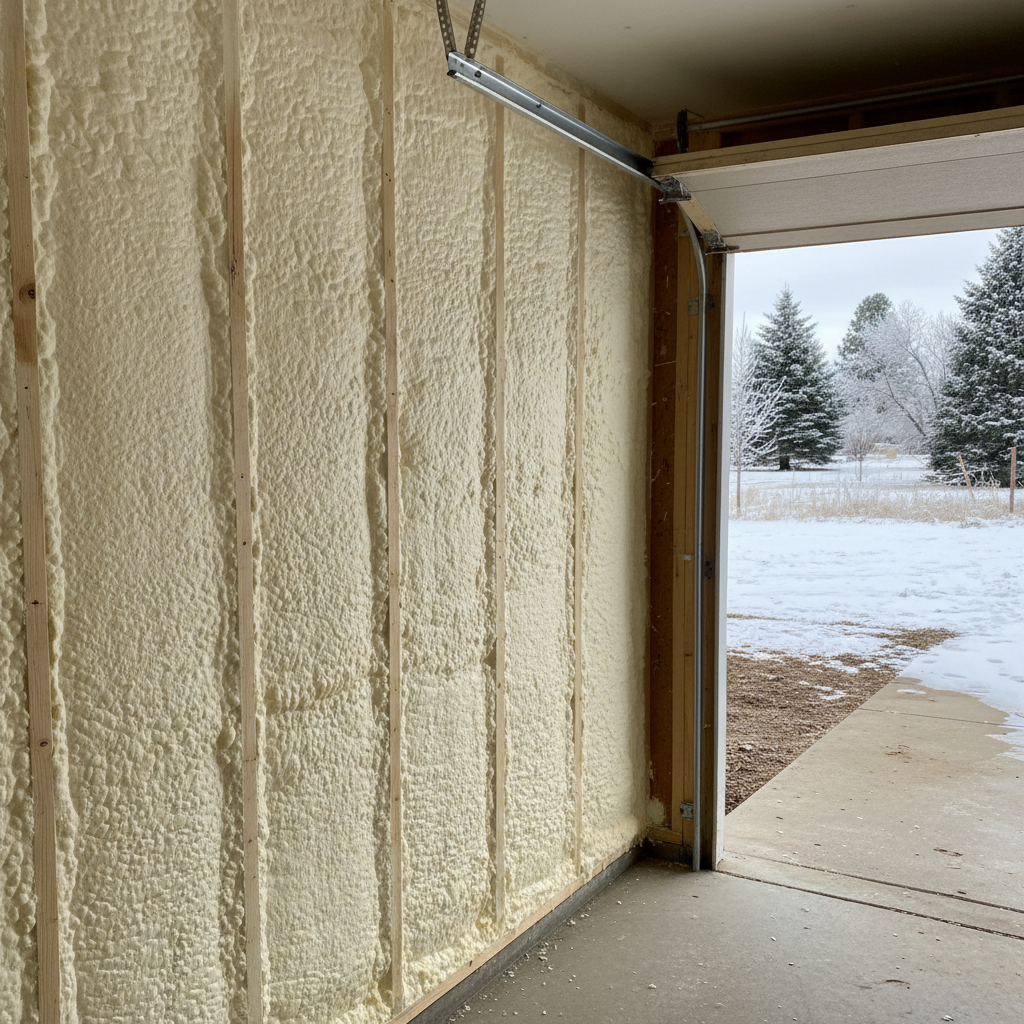
Do I really need to insulate my garage, even if it's not heated?
That's a question I hear a lot, and the quick answer is: absolutely, yes. Even if you're not planning to heat your garage to living room temperatures, insulation still makes a huge difference. Just think about it — your garage is a big, unconditioned space glued right onto your house. It acts like a giant thermal sponge, soaking up heat or cold depending on the season. In summer, that heat just radiates into your living space, forcing your AC to work overtime. In winter, the cold seeps in, making your furnace kick on more often. Insulating it helps stabilize the temperature in nearby rooms, cuts down on those energy bills, and makes the garage itself a much nicer place to be, whether you're tinkering with a project or just walking through to your car.
What's the best insulation type for garage walls and ceilings?
When it comes to garage walls and ceilings, you've got a few solid options, but "best" really depends on what you're trying to achieve and what you're willing to spend. For walls, fiberglass batts are common and pretty affordable. They'll give you basic thermal resistance, sure. But if you're really chasing top-notch performance, especially here in Meridian where we get those scorching summers and truly cold winters, I'd point you toward spray foam. Closed-cell spray foam, specifically, offers fantastic R-value per inch and creates an air seal, which is super important. It stops drafts and moisture better than anything else out there. For ceilings, if you've got an attic space above, blown-in cellulose or fiberglass can do the trick. But again, spray foam applied directly to the underside of the roof deck or the ceiling joists below an unconditioned attic space? That's a real game-changer for temperature control.
Should I insulate my garage door too?
You betcha. Insulating your garage door often gets overlooked, but it's a super important part of a well-insulated garage system. A typical uninsulated metal garage door is basically a giant thermal bridge, letting all that outside air just pour right in. You can grab insulation kits for doors you already have; these are usually foam board or reflective insulation panels that you cut to fit. If you're buying a new door, many manufacturers offer insulated models. They cost a bit more upfront, but the comfort and energy savings are totally worth it. It's like putting a good winter coat on the biggest opening in your garage, you know?
What about moisture and condensation in an insulated garage?
This is a big one, especially with our temperature swings here in the Treasure Valley. When you insulate, you're creating a more stable environment, but you also need to deal with moisture. If you're using fiberglass batts, a vapor barrier on the warm-in-winter side (that'd be the interior side here in Meridian) is absolutely essential to stop moisture from condensing inside the wall cavity. With spray foam, especially closed-cell, it actually acts as its own air and vapor barrier, which is a huge benefit. Good ventilation is also key. If you're doing a bunch of work in the garage that makes moisture, like hosing things down or running a swamp cooler, you'll want to make sure that humidity has a way to get out, or you could end up with problems.
Will insulating my garage make it too hot in the summer?
Actually, it's the exact opposite. A properly insulated garage will stay cooler in the summer. Think of insulation as a shield against heat transfer. In the summer, it keeps the scorching Meridian sun from baking the garage interior. It prevents that radiant heat from the roof and walls from turning your garage into an oven. Pair that with an insulated garage door, and you'll really notice a difference. It won't be air-conditioned cool unless you add AC, of course, but it'll be way cooler than an uninsulated one, making it much more comfortable for storage or working on projects.
Can insulating my garage help with noise reduction?
Yes, it absolutely can. Insulation, especially denser materials like closed-cell spray foam or even certain types of fiberglass batts, has sound-dampening qualities. It won't make your garage soundproof, but it will significantly cut down on the amount of outside noise coming in and the amount of noise from your garage (like power tools or a loud car engine) escaping to the rest of your house or your neighbors. If you've got a workshop or want to keep the noise down from your kids' band practice, insulating the walls and ceiling will definitely help quiet things down. It's a nice bonus benefit that many homeowners don't even think about until they experience it.
How long does garage insulation last?
The lifespan of your garage insulation really depends on the type you pick and how well it gets put in. Fiberglass batts, if installed correctly and kept dry and undisturbed, can last for decades, often as long as the house itself. However, if they get wet, squished, or infested by pests, their effectiveness drops big time. Blown-in insulation also lasts a long time under ideal conditions. Spray foam, particularly closed-cell, is incredibly tough. Once it cures, it's a rigid, inert material that won't settle, sag, or break down. It resists moisture and pests, so it's essentially a permanent solution that will last the lifetime of your home. That's one of the reasons we at Spray Foam Pros of Meridian recommend it so often for areas like garages where durability and performance are key.